Moving Retail Stock to a New Store: A Practical Inventory Plan
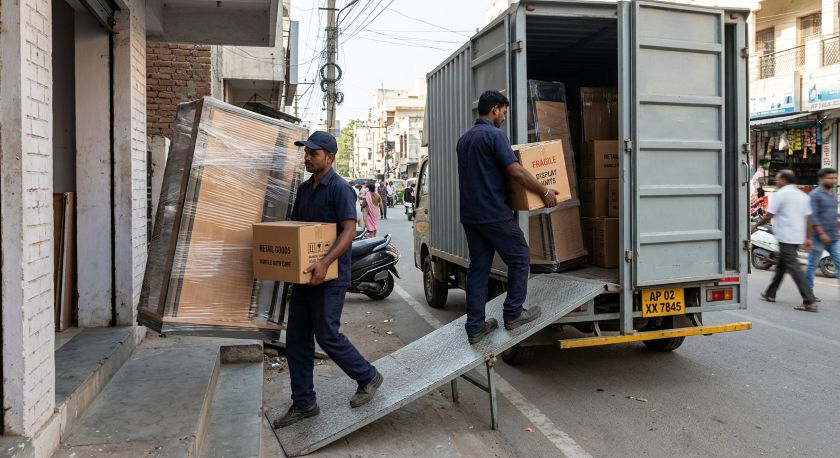
Relocating a retail storefront is a high-stakes endeavor that tests every aspect of your business operations. While finding a new retail location with better foot traffic or more favorable lease terms is an exciting milestone, the physical transition of your inventory can easily become a logistical nightmare if mismanaged. When merchandise gets lost in transit, barcodes are mixed up, or seasonal stock arrives weeks after it was supposed to hit the sales floor, your business suffers immediate financial losses and frustrated customers.
Moving retail stock is fundamentally different from transferring office furniture or corporate archives. Every single item on your shelves represents working capital, active inventory tracking data, and customer demand. Shifting this merchandise successfully requires a rigorous inventory plan that bridges the gap between your old stockroom and your new point-of-sale displays. By treating the move as a structured supply chain deployment rather than a simple moving day task, store owners can protect their profit margins and open their new doors without a hitch.
Conducting a Pre-Move Inventory Audit
The foundation of any successful retail relocation is a complete, uncompromising audit of your current stock. Before a single box is taped or a single shelving unit is disassembled, you need to know precisely what you own, where it is located, and how much it is worth.
Reconciling Physical Stock With Your Point-of-Sale System
Discrepancies between your physical inventory and your point-of-sale software are common in retail environments due to shrinkage, misplaced items, or unrecorded damages. A move provides the ideal forcing function to reconcile these numbers. Conduct a full physical stock count across your sales floor and backroom storage. Identify obsolete merchandise, slow-moving items, and damaged goods that are not worth the cost of transporting to the new storefront.
Purging and Liquidating Dead Stock
Transporting inventory that has sat unsold for six months incurs unnecessary labor costs, takes up valuable truck space, and clutters your pristine new stockroom. Before moving day, run a clearance sale, bundle stagnant products into promotional packages, or donate write-offs to local charities. Trimming your catalog down to high-velocity, profitable inventory lightens your logistical load and gives your new store a fresh, curated feel from day one.
Categorization and Product Mapping for the New Sales Floor
Once your inventory is audited and purged, the next challenge is ensuring that unpacking at the new location does not turn into a guessing game. A haphazard approach to packing retail stock results in chaotic merchandising and weeks of downtime before shelves are fully stocked.
Creating a Departmental Zoning Plan
Map out your new sales floor and backroom layout down to the individual shelf, rack, and bin. Just as commercial office movers use an alphanumeric grid system, retail movers should categorize stock by department, aisle, and fixture number. High-turnover impulse items near the checkout counter require different packing priorities than backstock seasonal displays stored securely in the warehouse area.
Standardizing Packing Containers for Retail Goods
Avoid using mismatched, flimsy cardboard boxes gathered from local grocery stores. Invest in uniform, heavy-duty plastic moving crates or specialized garment rails that protect hanging apparel from wrinkles and dust. Standardized containers stack securely on transport dollies, maximize truck space, and prevent fragile merchandise from being crushed under irregular loads.
Managing Fragile, High-Value, and Specialized Merchandise
Different retail categories demand entirely different handling protocols. A boutique selling delicate glassware or fine jewelry requires a vastly different moving strategy than a sporting goods store packed with heavy weights and bulky equipment.
Protecting Delicate and High-Value Goods
Fragile items such as ceramics, cosmetics, and electronics must be wrapped individually using professional-grade packing paper or custom foam inserts. High-value merchandise, including designer apparel, fine electronics, and luxury goods, requires enhanced chain-of-custody security. Pack these items in lockable bins or tamper-evident rolling cages, and keep a dedicated inventory manifest that is signed off by a store manager before departure and upon arrival.
Safeguarding Apparel and Hanging Inventory
Do not fold high-end clothing into cardboard boxes where deep creasing can ruin the presentation. Utilize enclosed mobile wardrobe carts outfitted with horizontal hanging bars. This allows garments to transition directly from your old stockroom racks to your new sales floor display racks without requiring ironing, steaming, or extensive re-tagging upon arrival.
Timing the Transition: Minimizing Dark Time and Lost Revenue
Every day your retail doors remain closed during a physical move represents lost daily revenue and stagnant customer engagement. Timing the transition strategically is vital for maintaining business continuity.
The Phased Stockroom Migration
For larger retail operations with substantial backroom inventory, a phased approach works best. Pack and transfer non-seasonal backstock, surplus packaging materials, and administrative supplies several days before the public-facing storefront closes. This leaves only the active sales floor inventory and display fixtures to be moved during a fast-paced weekend transition.
The Weekend Cutover Playbook
Schedule the physical closure of your old store for Sunday evening or a quiet weekday night, depending on your peak shopping traffic patterns. Professional commercial movers can strip the remaining sales floor displays, load the inventory trucks, transport everything to the new location, and set up the primary shelving arrays overnight. When your doors open at the new location, customers should find fully merchandised shelves, working point-of-sale terminals, and a polished shopping environment that feels as though your business has operated there for years.
Post-Move Reconciliation and Merchandising Audits
The move does not officially conclude when the moving trucks drive away. Once your inventory is inside the new facility, a systematic reconciliation process must take place before welcoming your first customer.
Verifying Barcodes and SKU Integrity
As boxes and crates are unpacked, merchandise must be scanned and checked against your master inventory manifest. Ensure that barcodes remain readable and that SKU assignments match your updated point-of-sale system layout. If a box of inventory gets misplaced during transit, identifying it immediately prevents pricing errors at the register and customer disappointment on the sales floor.
Finalizing Visual Merchandising
While commercial movers handle the heavy lifting of shelving assembly and stock transport, your retail team must focus on visual merchandising, promotional signage, and clean display aesthetics. With the heavy logistical burden successfully managed by professional removalists, your staff can dedicate their energy to welcoming shoppers, cutting the ribbon, and driving sales from day one.