The Importance of Credit Scores and How to Boost Them
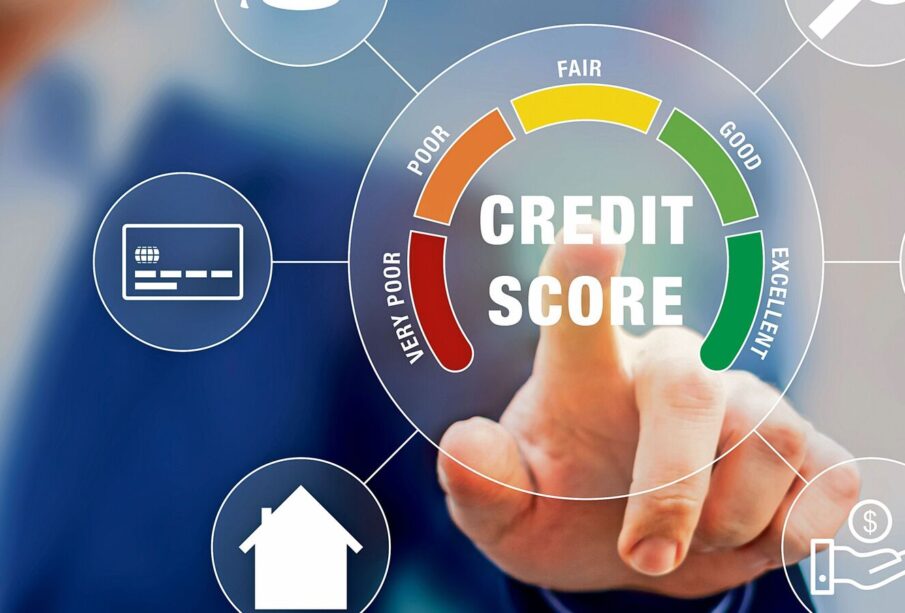
A credit score is a three-digit number that serves as a financial snapshot of your creditworthiness. In the United States, credit scores typically range from 300 to 850, calculated using information compiled in your credit reports by the three major credit bureaus: Equifax, Experian, and TransUnion. While it may seem like just another arbitrary metric, this number exerts immense influence over your financial flexibility, purchasing power, and long-term borrowing costs.
Understanding how credit scores are calculated and why they matter enables you to take control of your financial reputation. Whether you plan to buy a home, lease a vehicle, or simply secure lower interest rates on consumer credit cards, cultivating a strong credit profile is one of the most effective strategies for long-term wealth management.
Why Your Credit Score Matters
Your credit score acts as a trust metric for lenders, insurers, landlords, and even prospective employers. A high score signals that you manage debt responsibly, while a lower score suggests a higher risk of default.
The practical advantages of maintaining an excellent credit score include:
-
Lower Interest Rates: Lenders reserve their lowest annual percentage rates (APRs) for borrowers with top-tier credit scores. Over the lifespan of a thirty-year mortgage or a multi-year auto loan, a lower interest rate can save you tens of thousands of dollars.
-
Higher Approval Odds: A solid credit score increases the likelihood of securing approval for mortgages, auto loans, personal loans, and rewards-oriented credit cards.
-
Reduced Security Deposits: Utility providers, mobile phone carriers, and landlords routinely perform credit checks. High scores often allow you to bypass security deposits or secure preferred lease terms.
-
Favorable Insurance Rates: In many states, auto and homeowners insurance companies utilize credit-based insurance scores to determine premiums, meaning a better score can lead to cheaper insurance policy rates.
How Credit Scores Are Calculated
To improve your score effectively, you must first understand the core components that comprise primary scoring models, such as FICO and VantageScore.
FICO scores, which are utilized by the vast majority of top lenders, evaluate five main categories:
-
Payment History (35%): The single most critical factor. It tracks whether you make your account payments on time across all revolving and installment accounts.
-
Credit Utilization Rate (30%): The proportion of your total available revolving credit that you are currently using. Lower utilization signals responsible credit usage.
-
Length of Credit History (15%): The age of your oldest account, the age of your newest account, and the average age of all your accounts combined.
-
Credit Mix (10%): The variety of credit accounts you maintain, including revolving credit (credit cards) and installment loans (mortgages, student loans, auto loans).
-
New Credit (10%): The frequency with which you apply for new credit accounts, measured through hard inquiries and recently opened accounts.
Strategic Steps to Boost Your Credit Score
Improving a credit score requires consistency, discipline, and strategic debt management. While significant score jumps take time, implementing targeted practices can produce measurable improvements relatively quickly.
1. Pay Every Bill on Time
Because payment history makes up over a third of your credit score, paying all obligations punctually is non-negotiable. Even a single late payment that is thirty days past due can cause a severe drop in an otherwise healthy score and remain on your report for up to seven years.
To ensure consistency, set up automatic payments for minimum amounts due across all accounts. Alternatively, configure recurring calendar alerts several days prior to due dates to avoid accidental oversights.
2. Lower Your Credit Utilization Ratio
Credit utilization measures how much of your credit limits you are actively using. To maintain a healthy score, keep your overall utilization below thirty percent, though keeping it under ten percent yields the most significant score gains.
To reduce utilization effectively:
-
Pay down existing revolving balances aggressively, prioritizing credit cards with the highest utilization percentages.
-
Make micro-payments throughout the billing cycle rather than waiting for the monthly statement date. This lowers the balance reported to credit bureaus.
-
Request credit limit increases on existing accounts. If approved without a hard inquiry, a higher limit instantly lowers your utilization percentage, provided your balance remains constant.
3. Review Credit Reports and Dispute Errors
Inaccuracies on credit reports are surprisingly common. Unrecognized accounts, incorrect late payment entries, or outdated collection records can drag down your score unfairly.
You can request free copies of your credit reports from all three major credit bureaus through Authorized official channels. Inspect each report thoroughly for inaccuracies, such as:
-
Accounts that do not belong to you or evidence of identity theft.
-
Incorrect payment statuses on timely accounts.
-
Outdated negative items that should have fallen off your report after seven years.
If you identify errors, file formal disputes with the respective credit bureau and the reporting creditor. Correcting fraudulent or inaccurate negative entries can lead to swift score recoveries.
4. Limit Hard Credit Inquiries
When you apply for new credit, the lender performs a hard inquiry on your credit report to evaluate risk. Each hard inquiry can temporarily dip your score by a few points.
Multiple hard inquiries made within a short timeframe signal financial distress to potential lenders. To protect your score, apply for new credit selectively. If shopping for a mortgage or auto loan, complete your rate comparisons within a tight two-week window so that credit scoring models treat the multiple queries as a single inquiry.
5. Keep Older Accounts Open
The length of your credit history rewards longevity. Closing older credit card accounts shortens your average account age and reduces your total available credit limit, which in turn increases your overall credit utilization ratio.
Even if you no longer use a specific credit card regularly, consider keeping it open, provided it carries no annual fee. Making occasional small purchases and paying them off immediately keeps the account active and preserves your established credit history.
6. Consider Becoming an Authorized User
If you are starting with a limited credit history or rebuilding after financial setbacks, ask a trusted family member with an exemplary payment record to add you as an authorized user on their established credit card account.
Once added, the primary cardholder’s positive payment history and credit limit on that card are usually reflected on your credit report. This process, known as credit piggybacking, can instantly boost both the average age of your accounts and your available credit line without requiring you to make purchases on the card.
Maintaining Long-Term Credit Health
Boosting your credit score is not a one-time project; it requires ongoing monitoring and mindful spending habits. Create a habit of reviewing your financial statements monthly and checking your credit scores through free services provided by banks or credit issuers. By managing debt responsibly, avoiding impulse spending, and executing a clear financial strategy, you establish a solid credit foundation that opens doors to competitive borrowing opportunities for years to come.
Frequently Asked Questions (FAQ)
How long does it take to rebuild a low credit score?
Rebuilding a low credit score depends on the severity of the underlying negative marks. Minor drops caused by high credit utilization can recover within one to two months after paying down balances. Recovery from severe events, such as late payments, foreclosures, or bankruptcy, can take several months to several years of consistent, positive payment behavior.
What is the difference between a hard inquiry and a soft inquiry?
A hard inquiry occurs when a lender reviews your credit report to make a lending decision after you apply for credit, which temporarily lowers your score slightly. A soft inquiry occurs during background checks, pre-approved credit offers, or when you check your own score; soft inquiries do not impact your credit score in any way.
Does carrying a monthly credit card balance help build credit?
No, carrying a balance from month to month does not help build credit and costs you unnecessary money in interest charges. Credit bureaus care about whether you use your card and pay on time, not whether you incur interest. Paying your balance in full every month preserves your credit rating while avoiding interest fees.
Will closing a credit card account immediately delete its history from my report?
No, closing an account does not erase its history immediately. Closed accounts in good standing typically remain on your credit report for up to ten years, continuing to contribute to your length of credit history. However, closing the account immediately reduces your total available credit, which can raise your credit utilization ratio.
How does paying off an installment loan affect my credit score?
Paying off an installment loan, such as an auto loan or student loan, is a significant financial achievement, but it can sometimes cause a temporary, slight drop in your credit score. This happens because closing the account reduces your overall credit mix and active account diversity, though the positive payment history remains on your report.
What is a credit-builder loan, and how does it work?
A credit-builder loan is a specialized loan designed for individuals with poor or limited credit history. Instead of receiving the loan funds upfront, the lender holds the money in a secured bank account while you make fixed monthly payments. The lender reports your timely payments to credit bureaus, and once the loan term ends, the total funds are released to you.
Can checking my own credit score cause it to drop?
Checking your own credit score is classified as a soft inquiry and has zero impact on your credit score. Regularly monitoring your score through credit card portals or authorized financial tools is a healthy financial practice that helps you track progress and spot potential identity theft early.