
How Infrastructure Quality Impacts Warehouse Efficiency in the UAE
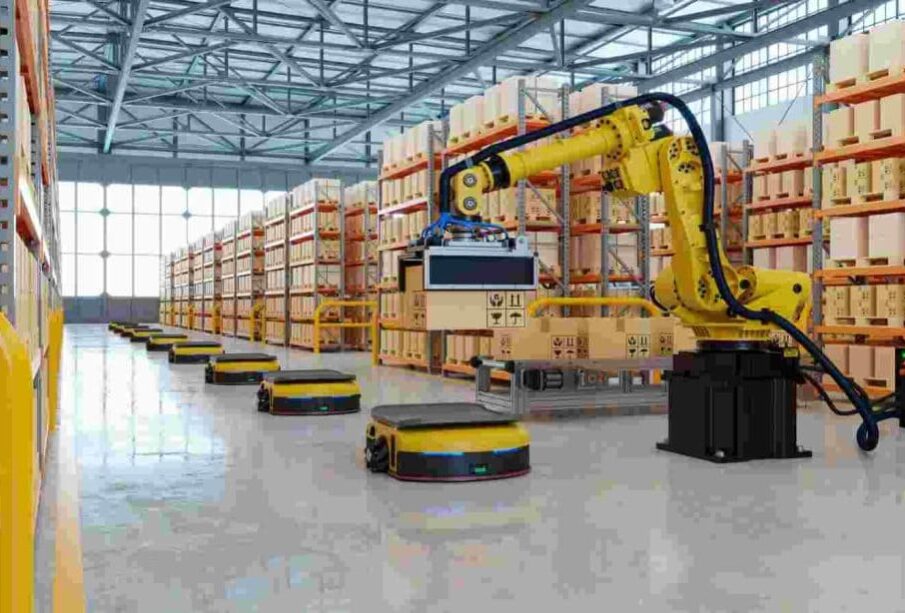
In the rapidly evolving logistics and supply chain landscape of the UAE, the role of warehouse infrastructure quality has become a critical differentiator for businesses aiming to scale operations efficiently. A warehouse in UAE is much more than a storage space; it is the backbone of supply chains that supports timely deliveries, inventory management, and seamless movement of goods across regional and global markets. High-quality infrastructure enhances operational capabilities, drives productivity, and allows businesses to stay competitive in an increasingly digital and customer-centric market environment.
At its core, the infrastructure of a warehouse encompasses the physical design, technological integration, utilities, safety features, and accessibility of the facility. These elements work together to influence how effectively a warehouse can meet business demands. For example, modern infrastructure with well-planned layouts, advanced storage systems, and strong connectivity ensures that materials flow smoothly from arrival to dispatch. In the context of a warehouse in UAE, where logistics requirements are dynamic due to e-commerce growth and regional trade volumes, superior infrastructure becomes a strategic asset that directly impacts efficiency.
One of the primary ways infrastructure quality boosts warehouse efficiency is through improved space utilisation. Well-designed storage configurations such as high-density racking, vertical storage systems, and adjustable shelving enable businesses to maximise available square footage. Efficient use of space reduces congestion, simplifies movement within the warehouse, and supports better inventory visibility. Greater visibility, in turn, reduces time spent on locating goods and minimises errors during order fulfilment. These attributes are especially valuable in a warehouse in UAE, where real estate costs and operational expectations are high.
Connectivity is another key dimension of infrastructure that influences efficiency. A warehouse that is located with easy access to major road networks, ports, or freight corridors significantly reduces transit times for inbound and outbound goods. This strategic access supports smoother logistics flows, shorter lead times, and enhances distribution reliability. Moreover, robust utility infrastructure such as reliable power supply and telecommunications ensures that essential equipment, automation systems, and digital interfaces operate without interruption, reducing downtime and maintaining the pace of warehouse operations.
Technology integration is an increasingly important aspect of high-quality warehouse infrastructure. Automated systems such as Warehouse Management Systems (WMS), robotics, automated storage and retrieval systems (AS/RS), and real-time data platforms elevate operational performance by streamlining processes that were once manual and error-prone. For instance, automated picking and sorting can accelerate order processing and boost throughput while reducing dependency on manual labour. In the UAE, where customer expectations for fast delivery continue to rise, warehouses equipped with smart infrastructure can respond to demand fluctuations more effectively and maintain high service levels.
Safety and compliance are further areas where infrastructure quality has a measurable impact. Facilities built with appropriate safety measures, fire protection systems, and engineered shelving reduce the risk of accidents, product damage, and operational disruptions. Beyond worker protection, adherence to regulatory standards also ensures that operations continue without compliance-related delays or penalties. Warehouses that prioritise safety and structural integrity tend to attract higher tenant confidence, and this contributes to sustained operational efficiency in daily processes.
Efficient infrastructure also supports adaptability and scalability—two critical traits that allow businesses to respond to market shifts. Whether handling seasonal spikes in demand, introducing new product lines, or integrating new technologies, warehouses that are designed for flexibility can accommodate changes without major overhauls. Modular layouts, scalable storage solutions, and technology-ready frameworks enable organisations to grow their operations seamlessly within the existing infrastructure footprint. This flexibility is particularly beneficial for enterprises seeking to optimise supply chain performance across expanding regional networks.
The influence of high-quality infrastructure extends beyond internal operations to broader cost efficiencies as well. When processes are streamlined and automation reduces manual intervention, labour costs decrease and accuracy improves. Better space planning reduces excess inventory holding and minimises the need for costly expansions. Additionally, efficient energy distribution systems and smart building designs can lower utility costs and support sustainability goals, aligning warehouse operations with broader environmental priorities.
In conclusion, the quality of infrastructure has a profound impact on the efficiency of a warehouse in UAE. From space utilisation and technological integration to connectivity, safety, and scalability, each aspect of infrastructure contributes to stronger operational performance and competitive advantage. As the logistics landscape continues to evolve, investing in high-quality infrastructure will remain essential for businesses that aim to elevate their warehouse efficiency and deliver exceptional value across supply chains. A warehouse that is built with efficiency in mind ultimately translates into faster fulfilment, lower costs, and greater customer satisfaction—key drivers of success in today’s dynamic market.